
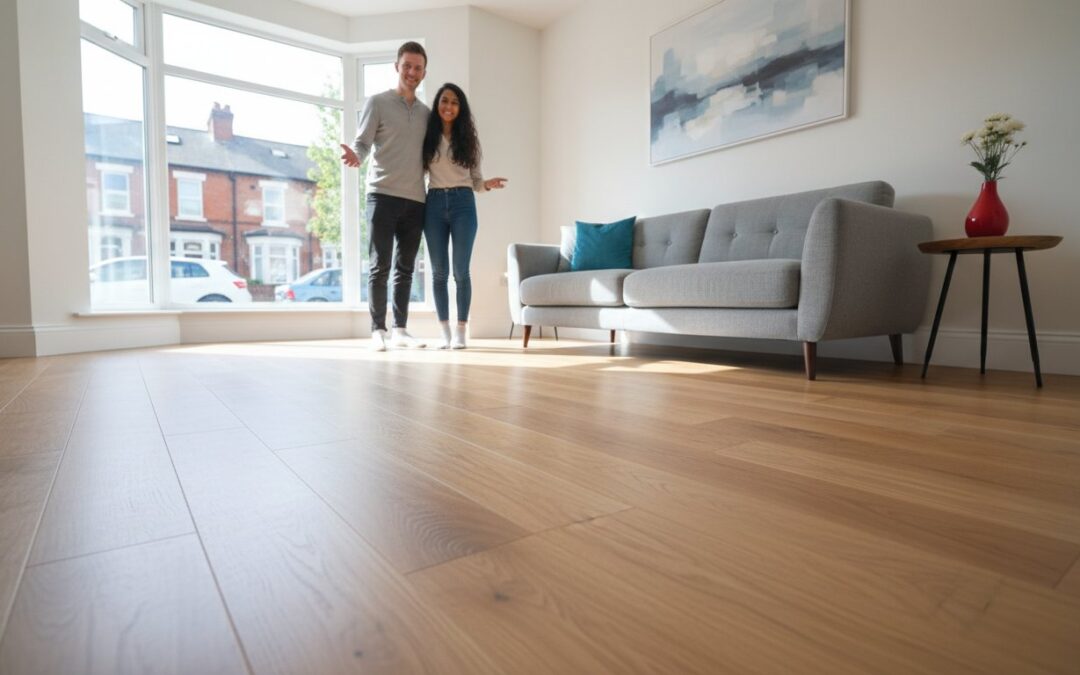
What if the most expensive oak planks in the world still warped within a year because of a few millimetres of uneven concrete? It’s a common worry for homeowners in Leicester, where the excitement of picking out beautiful wooden flooring is often dampened by fears of hidden costs or technical terms like oiled versus lacquered finishes. You want a floor that stands the test of time and adds real value to your property, but the threat of damp or underfloor heating issues can make the decision feel like a gamble.
We understand that you need clear, honest advice rather than a flashy sales pitch. This guide promises to simplify the process by comparing materials, durability, and the specific requirements for a professional installation. We will look at which wood types suit specific rooms, explain why subfloor preparation is the most critical part of the job, and show you how to choose a reliable local expert for projects small or large. By the end, you’ll know exactly how to achieve a high-quality finish that lasts for decades.
Key Takeaways
- Compare the long-term value of solid timber against the versatility of engineered boards to find the right fit for your home’s specific needs.
- Learn why professional subfloor preparation is essential for Leicester properties, particularly when managing damp in older terraces or uneven concrete.
- Understand how different timber grades and species like Oak or Walnut impact the final appearance and durability of your wooden flooring.
- Discover the technical advantages of professional fitting methods, such as expansion gaps and secret nailing, to avoid common DIY pitfalls like buckling.
- Identify the best finishes and maintenance routines to protect your investment and keep your new floor looking its best for decades.
Understanding Wooden Flooring: Why Natural Timber Remains the Premium Choice
Investing in wooden flooring is a decision that pays off for decades. It isn’t just a surface to walk on; it’s a structural upgrade that increases the market value of your home. Unlike carpets that trap dust or tiles that feel cold, natural timber offers a unique warmth and character that improves with age. In 2026, homeowners are prioritising responsibly sourced timber, ensuring their renovation is as sustainable as it is beautiful. This Wood flooring overview highlights the variety of options available, including traditional solid planks, modern engineered solutions, and intricate parquet patterns. Each type offers a different balance of durability and aesthetic appeal for your property.
The Biological Nature of Wood in the Home
Timber is a natural material that continues to react to its environment long after it’s been cut and planed. In British homes, changes in humidity and temperature cause the wood to “move.” It expands when the air is damp and contracts when you turn the heating on in winter. We call this expansion and contraction “movement,” and it’s a normal part of a floor’s life. To prevent issues after installation, you must respect the environment of the room. Acclimatisation is the process of letting wood adjust to a room’s atmosphere for 48-72 hours before fitting.
Real Wood vs. Imitations: Laminate and LVT
Laminate and Luxury Vinyl Tile (LVT) have their uses, but they can’t replicate the acoustic depth or tactile feel of real timber. Plastic-based alternatives often sound hollow and feel artificial underfoot. One of the biggest advantages of real wood is its longevity. You can sand and refinish a real wooden floor multiple times to remove scratches or change the colour. Laminate is essentially a disposable product; once the surface is damaged, the whole floor usually needs replacing.
For property resales in Leicestershire, a genuine wooden floor is a major selling point. It signals quality to potential buyers and suggests that the home has been maintained to a high standard. Whether you’re renovating a Victorian terrace or a modern home, high-quality wooden flooring provides a premium finish that imitations simply can’t match. We handle installations for projects small or large, ensuring your home gets the expert finish it deserves.
Solid Wood vs. Engineered Wood: A Detailed Comparison
Choosing the right wooden flooring depends on more than just looks. You need to consider how the planks are made. Solid wood is exactly what it sounds like; a single, thick piece of timber from top to bottom. Engineered wood uses a clever multi-layer design, with a real wood “wear layer” on top of a cross-layered plywood or HDF core. This construction difference changes everything from how long the floor lasts to how it handles the Leicestershire weather.
A solid wood floor is a legacy. It can last 100 years or more because you can sand it down and refinish it up to ten times. High-quality engineered boards typically last between 25 and 50 years. Their “sanding limit” is lower, usually allowing for two to four refinishes depending on the thickness of the top layer. According to this NWFA guide to hardwood flooring, real wood floors are an investment that adds significant value to any domestic property.
While solid wood averages £80+ per square metre for materials, engineered wood is more accessible at around £50 per square metre. When you factor in professional fitting, the total installed cost for engineered wood usually sits between £60 and £100+ per square metre. For the average homeowner, engineered wood offers the best balance of performance and price, especially in rooms where environmental stability is a concern.
When to Choose Solid Hardwood
Solid planks are the gold standard for traditional properties. If you have a stable environment without large temperature swings and no underfloor heating, solid timber is a fantastic choice. It offers a sense of prestige that’s hard to beat. Because you can change the stain and colour multiple times over several decades, it’s perfect for living rooms and bedrooms. It’s a “forever” floor. However, it’s more susceptible to moisture, so we don’t recommend it for basements or damp areas.
The Versatility of Engineered Timber
Engineered wood is the 2026 home standard for a reason. The cross-layered core makes the boards incredibly stable, meaning they won’t warp or cup when the humidity changes. This stability makes it the only choice for homes with underfloor heating. It also handles the moisture fluctuations in kitchens much better than solid wood. With 63% of contractors reporting white oak as the top choice for its stability, engineered oak is a reliable, high-performing option for most modern renovations. If you’re unsure which suits your room, you can view our wooden flooring installation services for expert advice on your specific project.

Beyond the Surface: Preparing Your Leicester Property for Installation
Many homeowners spend weeks choosing the perfect wooden flooring but only minutes thinking about what lies beneath it. A floor is only as good as its foundation. In Leicester, we frequently encounter two distinct challenges: damp issues in older Victorian terraces and uneven concrete slabs in modern builds. If you ignore these subfloor problems, your expensive planks will eventually creak, gap, or warp. Structural timber repairs must be completed before any flooring is laid to prevent future failure.
Underlay also plays a vital role in the success of your project. It isn’t just an optional extra; it provides essential sound dampening and thermal insulation. This is especially important for multi-storey houses in Leicestershire to help control impact noise like footsteps between floors. A quality underlay also helps the wood handle minor temperature changes without putting stress on the joints.
Dealing with Bouncy Joists and Uneven Subfloors
If you notice a “floor bounce” when walking across a room, your joists might be undersized, spaced too far apart, or damaged by age. This movement causes wooden planks to creak or even split at the joints over time. For concrete floors, we use levelling compounds to ensure the surface meets British Standards. This usually means a maximum deviation of 3mm over a 2-metre straight edge. For timber subfloors, we often install ply-boarding to create a perfectly flat, rigid base. If your floor requires more than just a surface fix, it’s best to arrange professional structural timber repairs before any new boards are laid.
Damp Proofing and Moisture Testing
Moisture is the primary cause of floor failure. Professional fitters use hygrometers to test subfloor moisture levels before they even open the boxes of wood. A hygrometer reading must be below 75% relative humidity to ensure the environment is safe for timber. This is a critical step to prevent wood rot and long-term property damage. When laying over ground-floor concrete, a Damp Proof Membrane (DPM) is a necessity. This barrier stops moisture from rising into your new planks. For those renovating older properties, this guidance on historic wood flooring provides useful context on how traditional materials behave. We make sure every subfloor is dry and level so your wooden flooring stays beautiful for decades. Get in touch for a free quote if you’re worried about your current subfloor condition.
Choosing the Right Species, Grade, and Finish
Selecting the right wooden flooring involves balancing aesthetics with the practical demands of your household. It isn’t just about picking a colour you like; you need to consider the species, the grade of the timber, and the type of finish that will protect it. In 2026, we’ve seen a significant shift away from cool greys towards warmer, earthy tones like honey oaks and rich caramels. These hues create an inviting atmosphere that suits both modern builds and period properties across Leicestershire.
Timber grading is another crucial factor that defines the look of your room. “Prime” grade wood is cut from the centre of the log and features a clean, uniform appearance with very few knots. If you prefer a more natural, historic feel, “Rustic” grade showcases the true character of the tree with knots and colour variations. For high-end renovations, 7-inch to 10-inch wide planks are currently the top choice. These wider boards reduce the number of visible seams, which can make a small Leicester terrace room feel much larger and more open.
Oak Flooring: The British Favourite
Oak remains the industry standard for durability and timeless style. It’s a remarkably dense wood that stands up well to heavy foot traffic. Around 63% of contractors select white oak for its versatility and stability. You can choose from a wide variety of stains, ranging from “Smoked” for a deep, aged look to “White-Washed” for a brighter, Scandinavian feel. Oak also has a natural resistance to fungal attacks and insects, making it a safer long-term investment than many softer wood species. While Walnut offers a dark, luxurious finish, it’s a softer timber that may show marks more easily in busy family homes.
Oiled vs. Lacquered Finishes
The finish you choose determines how you’ll maintain your floor for years to come. An oiled finish penetrates deep into the wood grain, highlighting the natural texture. It’s easy to spot-repair if you get a scratch, but it does require regular maintenance to keep the wood protected. A lacquered finish sits on top of the wood like a hard-wearing shield. It’s incredibly tough and resists spills well, which makes it a popular choice for homes with young children or pets. In 2026, matte and low-sheen finishes are the dominant choices because they hide everyday wear and tear better than high-gloss options.
Whether you want the clean lines of prime walnut or the rugged charm of rustic oak, we can help you find the perfect match for your property. Get in touch with us for a free quote to discuss which species and finish will work best for your home.
Professional Fitting: Why Expert Carpentry Beats DIY
Many big-box retailers market wooden flooring as a simple weekend DIY project. While click-fit systems have made the process look easier, achieving a professional, long-lasting finish requires the precision of a seasoned carpenter. Professional floor fitters in the UK generally charge a day rate of around £250, and this investment often saves homeowners from the high costs of fixing common installation errors. Around 60% of National Wood Flooring Association contractors reported an increase in installations in 2025, as more people recognise that expert fitting is the key to property value.
We use several professional methods depending on your subfloor and wood type. Secret nailing involves driving fixings through the tongue of solid wood boards into the joists, leaving the surface perfectly clean. For engineered wood over concrete, a glue-down installation provides the most stable and solid feel underfoot. A floating installation is common for engineered planks, but it relies heavily on the quality of the underlay and the flatness of the subfloor. Without this expertise, you risk planks that move or “hollow” sounds when you walk.
The most common DIY mistake is ignoring the expansion gap. Wood is a living material that needs room to breathe. If you don’t leave a sufficient gap around the perimeter of the room, the floor will eventually buckle or “peak” as it tries to expand. Expert fitting also covers the fine details that DIYers often overlook, such as undercutting architraves so the wood slides underneath for a seamless look, rather than cutting the wood awkwardly around the door frame.
The Finishing Touches: Skirting and Thresholds
A high-quality floor deserves a high-quality border. You should ideally fit new skirting boards after the floor is laid to cover the essential expansion gaps without using unsightly “beading” or scotia. This creates a much cleaner, more integrated look for your room. For a truly professional finish, you can view our services for skirting and architrave fitting. We also ensure that door bars and thresholds are perfectly colour-matched to create a cohesive flow as you move between different rooms in your home.
Get a Free Quote for Your Leicester Flooring Project
Don’t leave the most visible part of your home renovation to chance. CPT Services provides a “safe pair of hands” for homeowners across Leicester and Leicestershire. We handle projects small or large, from minor domestic repairs to full-scale wooden flooring installations in premium properties. We take pride in our straightforward, honest communication and our commitment to doing the job right the first time. Contact CPT Services for your free wooden flooring quote and let us help you transform your home with a floor that lasts a lifetime.
Ready to Upgrade Your Leicester Home?
Choosing high-quality wooden flooring is just the first step in a successful renovation. You now understand the vital differences between solid and engineered boards and why the foundation of your floor matters just as much as the timber on top. From managing damp in older Leicestershire properties to ensuring perfect expansion gaps, the details make the difference between a floor that lasts a lifetime and one that fails early.
At CPT Services, we bring over 10 years of experience to every project. We are specialists in both domestic and commercial joinery, with deep expertise in structural timber repairs and subfloor preparation. We handle jobs small or large, ensuring your property is in a safe pair of hands. Whether you’re renovating a kitchen or installing a new hallway, we provide the straightforward, professional service you expect from a local expert.
Don’t leave your installation to chance. Request a Free Quote from Leicester’s Expert Carpenters today. We look forward to helping you create a beautiful, durable floor that adds real value to your home for decades to come.
Frequently Asked Questions
Can I install wooden flooring in my kitchen or bathroom?
You can install engineered wooden flooring in a kitchen, but we don’t recommend it for bathrooms. Kitchens handle mild moisture fluctuations well if you choose a stable engineered board with a tough lacquer. Bathrooms are too high-risk because standing water and high humidity can cause even the best timber to rot or warp over time. For these areas, we suggest looking at alternative materials that handle constant dampness better.
How long does it take for wooden flooring to acclimatise?
Wood needs 48 to 72 hours to adjust to the specific temperature and humidity of your room. You should store the planks flat in the room where they’ll be fitted, keeping the boxes closed until you’re ready to start. This prevents the boards from expanding or contracting too much after they’ve been installed. Skipping this step is a leading cause of gaps appearing in the floor later on.
Is engineered wood flooring real wood?
Yes, engineered wood is 100% real timber. It features a top “wear layer” of high-quality hardwood, such as oak or walnut, bonded to several layers of protective plywood or HDF. It’s often confused with laminate, which is a plastic-based imitation. Because it’s real wood, you can still sand and refinish it several times throughout its life, giving you the same authentic feel as solid planks.
Can wooden flooring be installed over underfloor heating?
You can install wooden flooring over underfloor heating if you choose engineered boards. Engineered timber is designed to be stable, so it won’t warp or gap when the temperature changes. Solid wood is not suitable for this because the direct heat causes too much movement in the timber. Always check that your chosen underlay has a low thermal resistance to ensure the heat transfers efficiently into your room.
How do I fix a creaky or bouncy wooden floor?
Fixing a creaky floor usually requires securing the subfloor or repairing the underlying joists. Creaks happen when boards rub together or against a loose nail. If the floor feels bouncy, it often points to structural issues like undersized joists or wood rot. We specialise in structural timber repairs to resolve these foundation problems before laying new planks, ensuring your finished floor is silent and solid underfoot.
What is the best way to clean and maintain my new wooden floor?
The best way to clean your floor is with a soft broom or a vacuum set to the hard floor setting. For deeper cleans, use a damp mop with a specialist wood cleaner, but never use a soaking wet mop as excess water can damage the grain. Matte and low-sheen finishes are popular in 2026 because they’re much better at hiding smudges and everyday footprints than high-gloss alternatives.
Do I need to remove my old skirting boards before fitting new flooring?
You should remove your skirting boards to achieve the most professional finish. This allows the wooden flooring to run underneath the skirting, which neatly hides the essential expansion gap. If you leave the skirtings in place, you’ll have to use “beading” or scotia strips to cover the gap. Removing them is more work, but it results in a much cleaner look that adds more value to your property.
How much does professional wooden flooring installation cost in Leicester?
Professional floor fitters in Leicestershire generally charge a day rate of around £250. For the labour alone, you can expect to pay approximately £35 to £60 per square metre for solid hardwood and around £45 per square metre for engineered wood. These costs don’t include the price of the planks or the materials needed for subfloor preparation. We provide a free quote for all projects to give you a clear, honest price before work begins.